Making Tax Digital for Income Tax
A workable routine for quarterly reporting
Making Tax Digital changes the familiar once-a-year routine. Instead, you’ll need to keep digital records and send quarterly updates to HMRC.
For many small businesses, that means more admin, more deadlines and potentially more cost. It may not be a welcome change, but it doesn’t need to become a recurring source of stress.
Let's be honest
One annual deadline becoming four quarterly ones doesn’t feel like progress
For many small businesses, Making Tax Digital will mean regular bookkeeping, additional software costs and potentially higher professional fees.
Those who have always dealt with their accounts once a year will need to adopt a very different routine. Records will need to be maintained throughout the year, with updates sent to HMRC every quarter.
It is easy to see why this feels less like simplification and more like one annual headache being replaced by several smaller ones.
Whether you agree with the change or not, it still needs to be dealt with. The important thing is having a practical process that keeps the records up to date and prevents each deadline from feeling like a mini last-minute tax return.
What's changed?
Regularly updated records and quarterly updates
Keep digital records
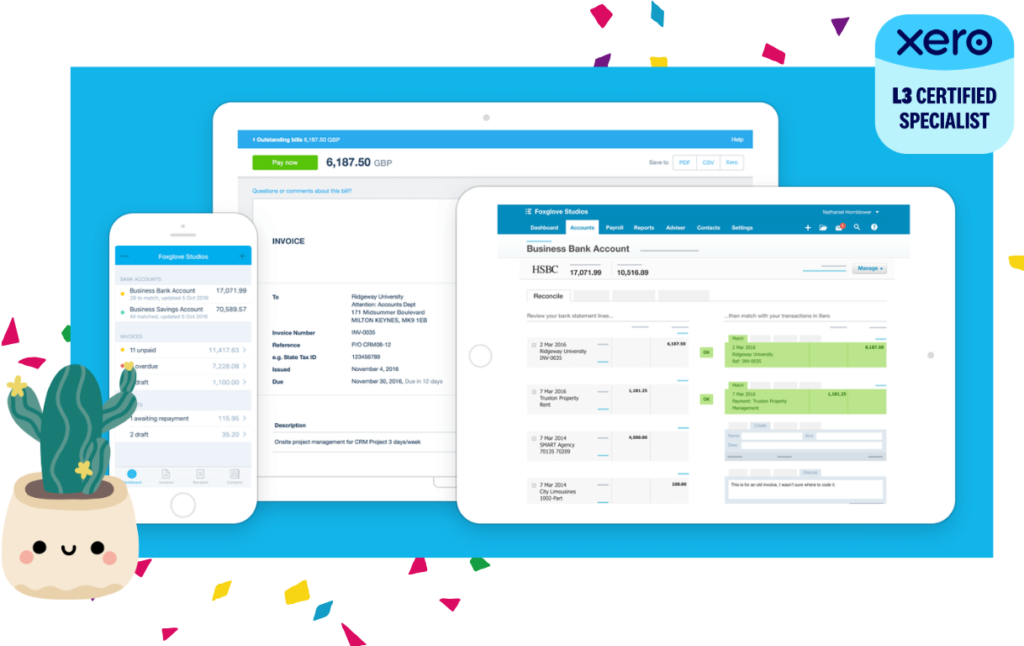
Income and expenses need to be recorded using compatible software.
Keep the bookkeeping current
The records cannot be left untouched until the end of the tax year. They need to be updated regularly enough for each quarterly submission.
Send quarterly updates
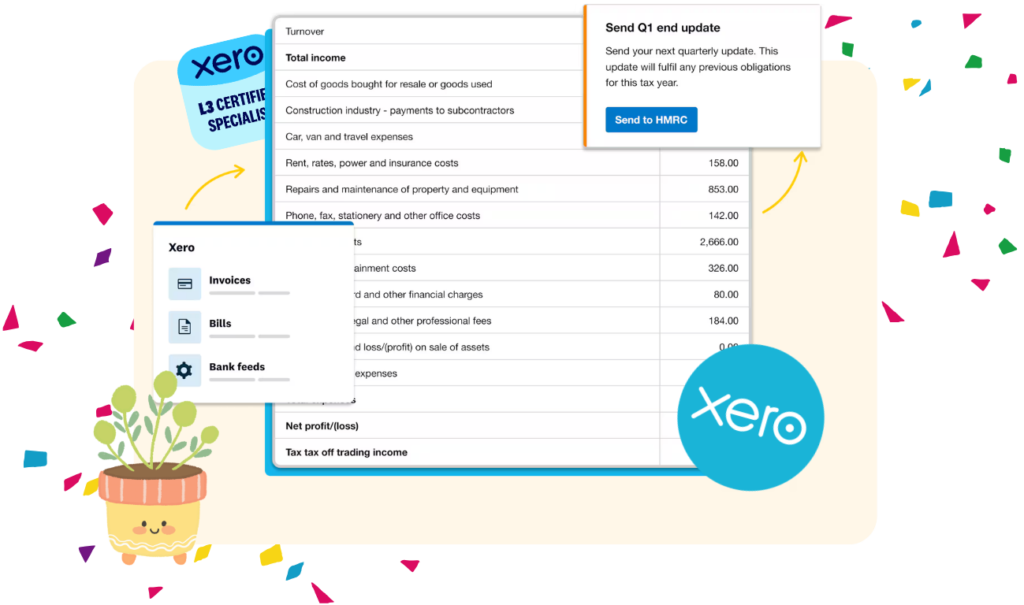
Summary information about income and expenses is sent to HMRC through the software. The updates are cumulative from the beginning of the tax year; HMRC does not receive copies of every individual invoice or receipt.
Complete the annual tax return
The year still ends with a Self Assessment tax return, where the full tax position is confirmed and any other income or relevant information is included. That remains separate from Invi’s quarterly submission service.
When will MTD apply to you?
Your qualifying income is over:
From 6 April 2026
Based on the income reported for the 2024/25 tax year.
From 6 April 2027
Based on the income reported for the 2025/26 tax year.
From 6 April 2028
Based on the income reported for the 2026/27 tax year.
Does it apply to you?
MTD for Income Tax is being introduced in stages
What is 'Qualifying Income'?
Qualifying income means your combined gross income from self-employment and property before expenses are deducted. It is not based on your taxable profit. Where you have more than one sole trade or source of property income, the relevant income is added together.
You may therefore be affected even if your eventual profit is much lower than the threshold. It is the income coming into the business before expenses that matters.
There are exemptions and less common circumstances that may affect whether or when you need to join, so it is worth checking your position rather than relying solely on whether HMRC has written to you.
Your MTD support will include:
- Regular bookkeeping in Xero
- Digital records maintained throughout the quarter
- Bank accounts reconciled
- Missing receipts, information and queries raised before the deadline
- Income and expense figures reviewed for obvious bookkeeping issues
- Quarterly MTD update prepared and submitted to HMRC
- Confirmation once the submission has been accepted
- Records kept ready for the next quarter and the annual year-end process
The submission is the final step in a process that starts with good bookkeeping. I won’t simply appear every three months, press a button and hope the records behind it are right.
Quarterly MTD support
I’ll keep the bookkeeping moving and the quarterly updates dealt with
MTD works best when the records are kept up to date throughout the quarter, rather than pieced together just before the deadline.
I’ll look after the regular Xero bookkeeping, keep the bank accounts reconciled and raise any missing information or queries as they come up. Before each quarterly update, I’ll review the records, prepare the figures and submit the required information to HMRC through Xero.
MTD becomes far more manageable when each quarter follows the same simple process. The records stay current, questions are dealt with as they arise and the submission becomes the final step rather than the start of the work.
How MTD support works
A manageable quarterly rhythm
Check your start date
I’ll confirm when MTD applies to you and make sure the necessary registrations and HMRC authorisations are in place.
Set up Xero
Your Xero account, bank feeds and bookkeeping categories will be checked and set up ready for MTD.
Keep the records current
The bookkeeping will be maintained throughout the quarter, rather than reconstructed just before the deadline.
Resolve queries
I’ll raise missing receipts, unclear payments and anything else that needs your attention while it is still fresh.
Review the quarter
The bank accounts and records will be reconciled, with the figures checked before anything is sent to HMRC.
Submit the update
I’ll prepare and submit the quarterly update, confirm when it has gone through and carry the records forward into the next period.
At the end of the year
Quarterly submissions handled. Annual tax return kept separate.
Invi’s MTD service covers the regular bookkeeping and quarterly updates required throughout the tax year. It doesn’t include preparing or submitting your annual Self Assessment tax return.
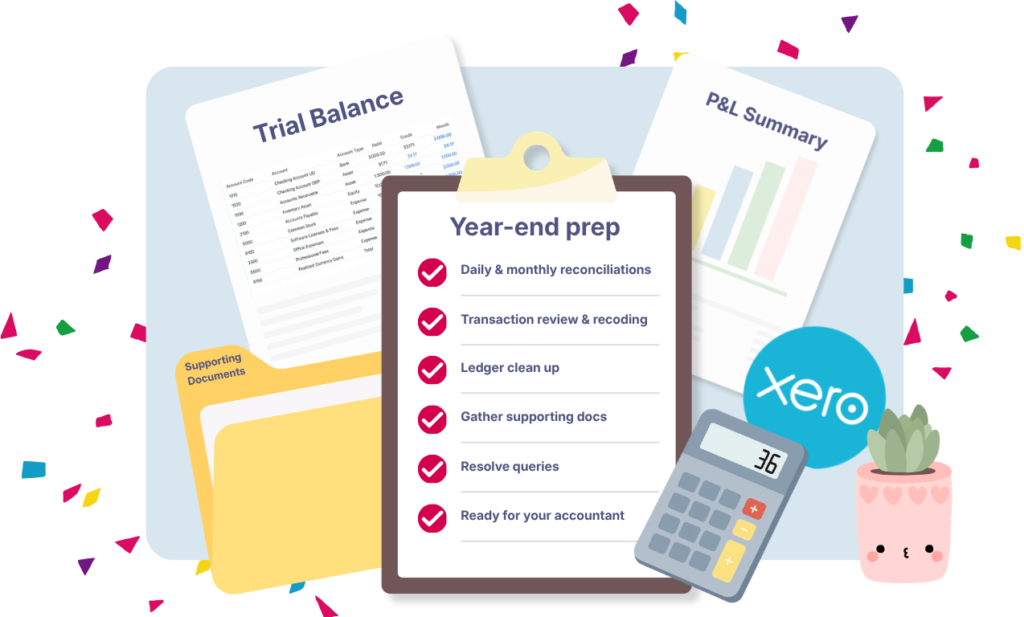
When the tax year ends, I’ll make sure the Xero bookkeeping is complete up to the agreed date, reconcile the relevant accounts and resolve any outstanding bookkeeping queries where possible.
Your records and reports will then be ready for you or your accountant, with any remaining points clearly listed. I can also liaise directly with your accountant and respond to bookkeeping questions as they prepare the final return.